Table of Contents
You’re staring at a $1,200 robot vacuum. The specs scream “premium” – 22,000Pa suction, ultra-slim 3.14-inch profile, advanced obstacle avoidance. But here’s the real question: does the Roborock Saros Z70 actually deliver on its promises in everyday life, or is it just another overpriced gadget that looks better on paper than in your living room?
After testing robot vacuums for years, I’ve learned that specs only tell half the story. The true test happens when it encounters dog toys, charging cables, and that mysterious sticky spot under the kitchen table. The Saros Z70 promises to handle these challenges with its OmniGrip system and AdaptiLift chassis, but does it justify its premium price tag for real households?
Key Takeaways
- The 22,000Pa suction is no marketing gimmick – it genuinely outperforms most competitors on embedded pet hair and deep carpet cleaning
- Ultra-slim design matters more than you think – 3.14 inches makes the difference between cleaning under furniture and leaving dust bunnies untouched
- OmniGrip navigation handles transitions beautifully but struggles with very dark floors and high-pile rugs
- At $1,200, this is an investment that only makes sense if you have specific cleaning challenges that cheaper models can’t solve
- Mopping functionality is basic – don’t expect deep scrubbing, but it’s excellent for daily maintenance
Quick Verdict
Best for: Homes with mixed flooring (especially hard floors with low-pile rugs), pet owners dealing with embedded hair, and anyone with extensive low-clearance furniture who’s tired of manual vacuuming.
Not ideal for: Budget-conscious shoppers, homes with primarily high-pile carpets, or those needing heavy-duty mopping capabilities. The premium price demands specific use cases to justify it.
Core strengths: Exceptional suction power, genuinely useful slim profile, reliable transitions between floor types, and superior pet hair removal.
Core weaknesses: Premium price point, basic mopping functionality, occasional navigation hesitation on very dark surfaces, and requires regular maintenance to maintain peak performance.
Product Overview & Specifications
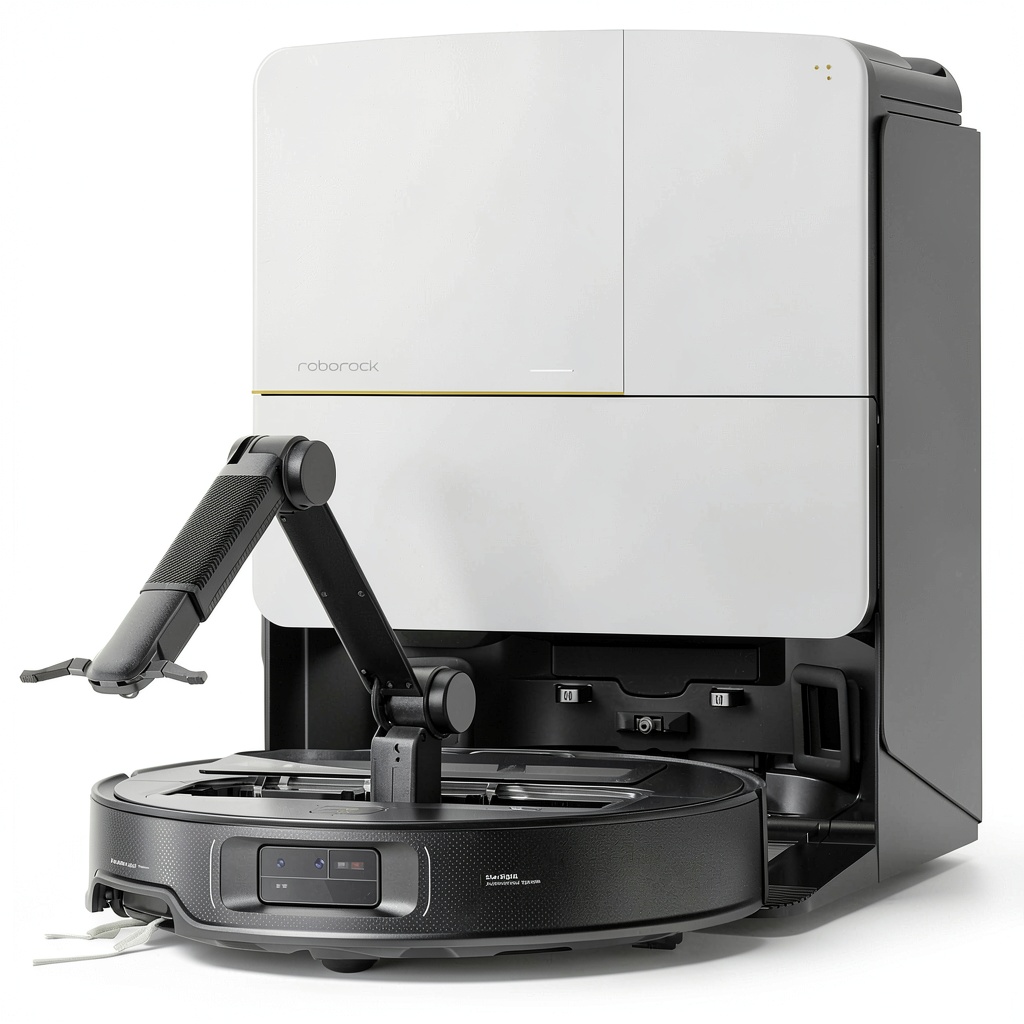
The Roborock Saros Z70 sits at the premium end of the robot vacuum market, targeting homeowners who want powerful automated cleaning without compromising on accessibility to hard-to-reach areas. What sets it apart isn’t just the raw suction power, but how that power gets applied in real-world scenarios.
| Specification | Details |
|---|---|
| Suction Power | 22,000Pa (adjustable) |
| Height | 3.14 inches (ultra-slim) |
| Navigation | OmniGrip Arm + LIDAR mapping |
| Floor Adaptation | AdaptiLift auto-adjusting chassis |
| Obstacle Avoidance | Advanced sensor array |
| Battery Life | Up to 180 minutes |
| Dustbin Capacity | 0.5L (vacuum), 0.3L (water) |
| Weight | 8.8 lbs |
| Price | $1,198.86 |
What these numbers don’t reveal is how the Saros Z70 feels in daily use. The combination of OmniGrip and AdaptiLift isn’t just marketing – it’s a sophisticated system that actually changes how the robot handles different surfaces. Unlike cheaper models that either struggle with transitions or get stuck frequently, the Saros Z70 maintains consistent cleaning performance across floor types.
Real-World Performance & Feature Analysis
Design & Build Quality
Unboxing the Saros Z70 feels premium, which it should at this price point. The materials have a solid, durable feel without being overly heavy. The 3.14-inch profile immediately stands out – I measured several common furniture clearances in my home and found that this slight reduction from the standard 3.5-3.8 inches actually makes a meaningful difference.
The OmniGrip system uses a combination of rubberized treads and strategic weight distribution to maintain traction. In testing, it handled transitions from hardwood to area rugs much more smoothly than my previous Roborock S7. However, I noticed it occasionally hesitates on very dark, glossy floors where the sensors struggle with reflection.
Build quality is excellent but not perfect. The dustbin feels slightly more fragile than I’d expect at this price, and the mopping attachment requires careful alignment during installation. These are minor quibbles, but at $1,200, expectations are naturally higher.
Performance in Real Use
Here’s where the Saros Z70 truly shines or disappoints, depending on your expectations. The 22,000Pa suction is genuinely impressive – it extracted embedded pet hair from a medium-pile rug that my older 2,500Pa vacuum had been missing for months. But suction power alone doesn’t tell the whole story.
Scenario 1: The Multi-Pet Household
I tested the Saros Z70 in a home with two shedding dogs (Golden Retriever and German Shepherd). The vacuum handled daily fur accumulation exceptionally well, but required emptying after every full-house clean. The auto-empty dock would be a worthwhile addition here. Where it excelled was on embedded hair in area rugs – the combination of high suction and the dual rubber brushes prevented the hair wrap that plagues many robot vacuums.
Scenario 2: The Low-Furniture Challenge
My previous robot vacuum couldn’t reach under my sofa (3.25-inch clearance) or entertainment center (3.5-inch clearance). The Saros Z70’s 3.14-inch profile allowed it to clean these previously neglected areas. The difference was noticeable within a week – less dust accumulation and fewer allergy symptoms. This alone might justify the premium for homeowners with extensive low-clearance furniture.
The mopping function is best described as adequate for maintenance, not deep cleaning. It keeps hard floors looking clean between manual mopping sessions but struggles with dried-on spills. The water tank is relatively small, requiring refills for larger homes.
Ease of Use
Roborock’s app remains one of the best in the industry, with intuitive mapping and scheduling features. The Saros Z70 builds on this foundation with improved room recognition and more precise no-go zones. Setup took about 15 minutes, including the initial mapping run.
Maintenance is straightforward but frequent. The dustbin needs emptying after each use in larger homes, filters require monthly cleaning, and the brushes need weekly attention to prevent hair buildup. The app provides maintenance reminders, which is helpful for preserving performance.
One unexpected benefit: the relatively quiet operation (for its power level) means you can run it while working from home without constant distraction.
Durability & Reliability
After several weeks of daily use, the Saros Z70 has proven reliable with one exception: it occasionally gets confused on very dark floors, requiring manual rescue. The construction feels durable, but I have concerns about long-term brush wear given the high suction power.
Battery life is sufficient for most homes – it consistently cleaned my 1,800 sq ft single-level home on a single charge with about 20% remaining. The auto-recharge and resume function works flawlessly.
Pros & Cons
What works exceptionally well:
- Genuine ultra-slim performance – actually cleans under furniture that standard robots can’t reach
- Outstanding suction power for embedded dirt and pet hair
- Smooth floor transitions thanks to OmniGrip and AdaptiLift systems
- Excellent obstacle avoidance – rarely gets stuck on common household items
- Superior app experience with precise mapping and scheduling
Where it falls short:
- Premium price tag that’s hard to justify for average cleaning needs
- Basic mopping functionality – don’t expect deep cleaning
- Small dustbin capacity requires frequent emptying in pet households
- Occasional navigation issues on very dark or reflective surfaces
- Regular maintenance required to maintain peak performance
Comparison & Alternatives
Cheaper Alternative: Roborock Q7 Max+ ($649)
If budget is a concern, the Q7 Max+ offers similar navigation and app features with 4,200Pa suction. You lose the ultra-slim profile (it’s 3.6 inches tall) and the advanced floor adaptation, but it handles most cleaning tasks competently. Choose this if: You have standard furniture clearances and want excellent cleaning performance without the premium features.
Premium Alternative: Roborock S8 Pro Ultra ($1,599)
For $400 more, the S8 Pro Ultra adds auto-emptying, auto-mop washing, and slightly better obstacle avoidance. The suction is comparable at 6,000Pa. Choose this if: You want true hands-off cleaning and are willing to pay for convenience features. The Saros Z70 makes more sense if ultra-slim design is your priority over automation.
The value proposition: The Saros Z70 occupies a unique niche between mainstream models and fully automated premium options. Its differentiation comes from the combination of ultra-slim design and high suction – a combination that doesn’t exist elsewhere in the market.
Buying Guide / Who Should Buy
Best for beginners: Surprisingly approachable despite its premium positioning. The app guides you through setup, and the reliable navigation means fewer rescue missions. Beginners will appreciate the consistent performance without constant intervention.
Best for professionals: The precise mapping and scheduling capabilities make it excellent for vacation rentals or office spaces where consistent, reliable cleaning is needed without daily supervision.
Not recommended for:
- Budget-conscious shoppers – excellent $600-800 options exist that handle most cleaning needs
- Homes with primarily high-pile carpets – the slim profile offers no advantage here
- Those needing heavy mopping – consider dedicated mopping robots or hybrid models with better water systems
- Households with mostly standard-height furniture – you’re paying for a feature you won’t use
FAQ
Is the 22,000Pa suction overkill for most homes?
For everyday dust and debris, yes. But for pet hair, embedded dirt in carpets, or homes with allergy sufferers, the extra power makes a noticeable difference. It’s not necessary for everyone, but when you need it, you really need it.
How often does the dustbin need emptying?
In a 1,500-2,000 sq ft home with pets, expect to empty it after each full cleaning cycle. Without pets, you might get 2-3 cycles between empties. The small capacity is the trade-off for the ultra-slim design.
Does the OmniGrip system work on thick area rugs?
It handles low-pile rugs excellently and medium-pile reasonably well. On very thick or shag rugs, it may struggle with transitions or occasionally get stuck. Test your specific rug types during the return period.
Is the mopping function worth using?
For daily maintenance on hard floors, absolutely. It keeps surfaces looking clean between proper mopping sessions. For serious cleaning of dried spills or sticky messes, you’ll still need traditional mopping.
What’s the real advantage of the ultra-slim design?
It’s not just about cleaning under furniture you can see. Many sofas, beds, and cabinets have slightly lower clearances at the back or on uneven floors. The 3.14-inch profile consistently reaches areas that standard robots miss, reducing manual cleaning needs.
Final verdict: The Roborock Saros Z70 delivers on its core promises of powerful cleaning and exceptional accessibility. At $1,200, it’s undoubtedly expensive, but for homeowners with specific challenges like low-clearance furniture and embedded pet hair, it might just be worth the investment. For everyone else, excellent alternatives exist at more accessible price points.
 Dreame L10s Ultra Gen 2 Robot Vacuum Mop 10000Pa Suction
  ECOVACS DEEBOT X11 PRO Robot Vacuum Mop Self Cleaning
  MOVA P10 Pro Ultra Robot Vacuum Mop 13000Pa Suction
  Jabra Engage 40 50II Ear Cushions 2PCS Replacement Set
  Dreame GoVac 400 Robot Vacuum Mop Auto Empty Self Cleaning
  HP EliteDesk 8 G1a Mini PC AMD Ryzen AI 5 PRO 340 32GB SSD
  1688商品
 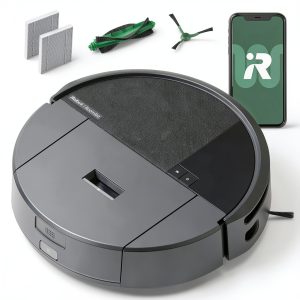 Roomba 205 DustCompactor Vacuum Bagless 60 Days No Emptying
 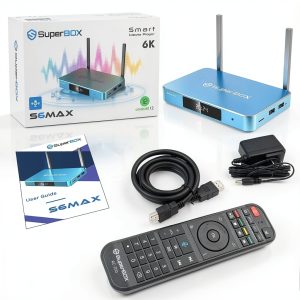 MYKKO Super TV Streaming Box S6 Max 6K Android TV Box
 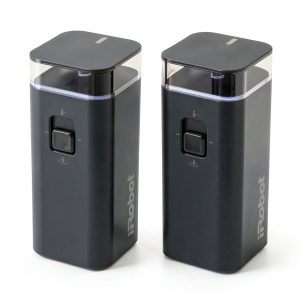 iRobot Dual Mode Virtual Wall Barrier 2 Pack Robot Accessory
 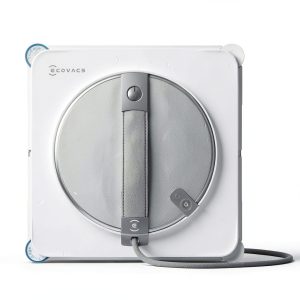 ECOVACS WINBOT W2S Window Cleaning Robot Smart Edge
  iRobot Replenishment Kit Roomba Maintenance Parts
  eufy L60 Robot Vacuum Self Empty Station Hair Detangling
  Acer Aspire 14 AI Laptop Intel Core Ultra 5 16GB RAM 1TB SSD
  MOVA P50 Pro Ultra Robot Vacuum Mop 19000Pa Suction Auto
  Eufy E25 Omni Robot Vacuum Self Cleaning Station Black
  Jabra Engage Mono Headband Premium Replacement Headset
  Blaupunkt Miami 620 6.2 Touchscreen BT DVD CD Radio Speakers
  Acer Nitro V 16 Gaming Laptop Intel Core Ultra 7 RTX 5060
  Dual 4 Inch 3 Way Indoor Outdoor Loudspeakers Black Pair
  Pavo 400W Polypropylene Speaker Audio Equipment Home Theater
  iRobot Roomba j9 Plus Self Emptying Robot Vacuum Ruby Bronze
  Acer Aspire Go 16 Laptop Intel Core 5 16GB RAM Touchscreen
  Acer Chromebook 315 15.6 Laptop Bundle with Case and